Fishing is not merely a sport; it’s an experience, a bonding moment with nature. One essential tool in every angler's arsenal is the fish stringer. This seemingly simple device plays a crucial role in keeping your catch fresh while minimizing waste and ensuring ethical fishing practices. In this comprehensive guide, we will delve deep into Fish Handling 101: The Right Way to Use and Maintain Your Fishing Stringer.
What Is a Stringer for Fishing?
A fishing stringer is a device used to keep caught fish alive by tethering them to a line or floating device, often allowing for the fish to stay in water until you are ready to clean them or release them. These stringers can be made from various materials such as nylon, metal, or even rope, and they come in multiple designs depending on their intended use.
The Anatomy of a Fish Stringer
Understanding how your fishing stringer works is essential. Here’s a breakdown of its key components:
- Main Line: This is the length of material that holds the fish. Hooks/Clips: Used to secure the fish. They can be sharp or designed for easy release. Buoy or Floater: Sometimes included to keep the stringer afloat and visible.
By grasping these components, you’ll be better equipped to know how to use a stringer effectively.
How to Make a Fish Stringer
If you find yourself without one while out fishing, don’t fret! You can easily make your own stringer using materials readily available in your tackle box.
Materials Needed
- Strong nylon cord or rope Sharp hooks (size varies depending on fish species) A buoy (optional)
Steps to Create Your DIY Fish Stringer
Cut the Cord: Measure about 5-10 feet of nylon cord. Attach Hooks: Securely tie hooks at equal intervals along the cord. Create a Loop: Form a loop at one end for attaching it to your boat or waist. Add Buoy: If you have one, attach it at the other end for visibility.Now you have an effective homemade solution for keeping your catch secure!
How to Use Fish Stringer Properly
Using a fish stringer might seem straightforward, but there are methods that ensure both preservation of your catch and humane treatment of fish.
Step-by-Step Guide on How to Put Fish on a Stringer
Choose Your Spot: Select an area where you can safely secure your stringer. Prepare Your Catch: Ensure that the fish is subdued before you handle it. Insert Hook Carefully:- Start at the mouth or gill plate; this minimizes stress on the fish. Avoid puncturing vital organs to increase survival chances.
Using this method ensures that your catch stays alive until you're ready for cleaning.
How to Use a Stringer for Fishing Effectively
Not only do you need proper technique, but also understanding when and why you might want to use one over other methods (like live wells) is critical:
- Ideal for short trips where you want immediate access. Useful if you're targeting specific species known for their taste.
Best Practices for Using and Maintaining Your Fishing Stringer
Taking care of your fishing equipment extends its life and efficiency.
Cleaning Your Fish Stringer After Each Trip
It’s crucial that after every fishing trip:
Rinse under fresh water Remove any debris Dry thoroughly before storingThis prevents rust and prolongs its usability.
Storage Tips
Store your stringers in cool, dry places away from direct sunlight which can deteriorate materials over time.
Essential Safety Tips When Using Fish Stringers
Safety should never take a back seat while fishing—here’s how:
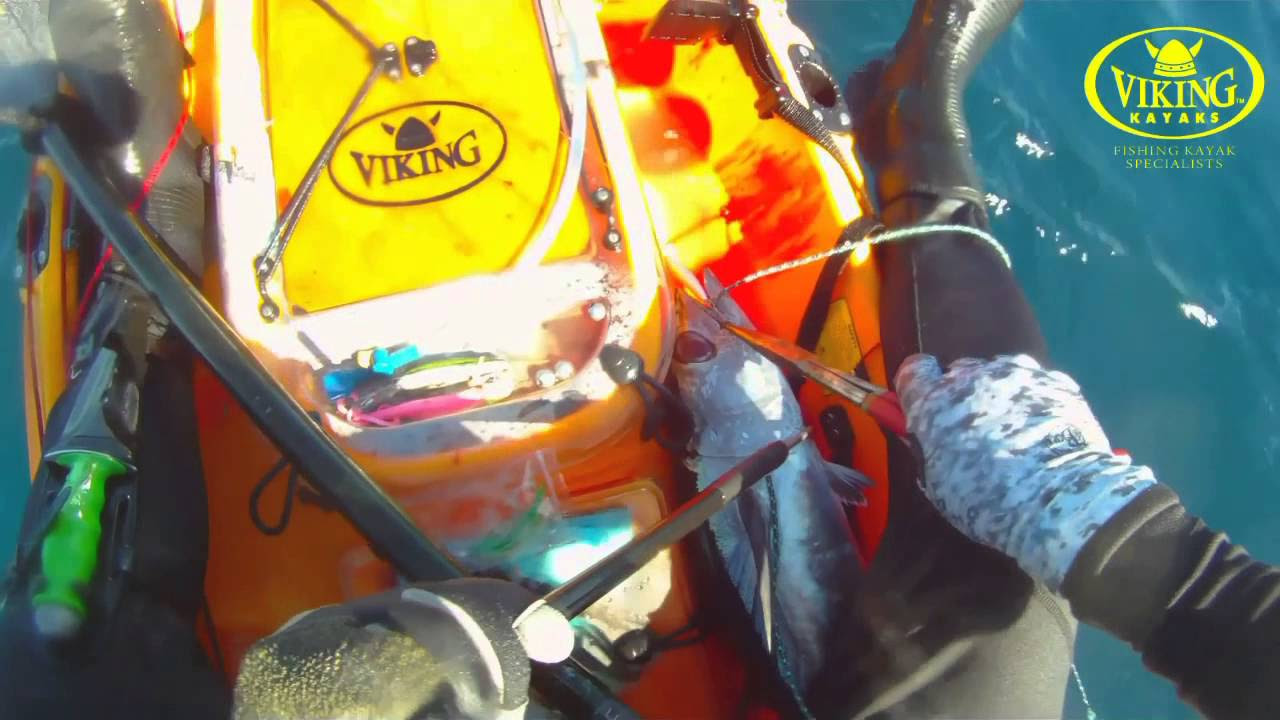
- Always ensure that hooks are pointed away from yourself during handling. Be aware of local wildlife; secured fish may attract unwanted attention!
Common Mistakes When Using a Fish Stringer
Even seasoned anglers can slip up! Here are some pitfalls to avoid:
Overloading with too many fish can lead to stress injuries. Forgetting about water temperature—fish need oxygenated water! Leaving unused stringers exposed can lead them susceptible to damage from elements.By eliminating these mistakes from your practice, you'll become more proficient with your gear.
FAQs About Fish Handling and Using Fishing Stringers
Q1: What is the best type of fish stringer?
A1: The best type depends on personal preference; however, many anglers prefer nylon cord models due to their flexibility and durability.
Q2: How do I know if my fish stringer is damaged?
A2: Look for frays in the line stringer fishing instructions or rust on metal parts; any signs of wear indicate it's time for replacement.
Q3: Can I use my fishing stringer in saltwater?
A3: Yes! Just make sure to rinse it thoroughly with freshwater afterward to prevent corrosion.
Q4: How long should I wait before cleaning my catch?
A4: Ideally, clean them as soon as possible—within an hour if they’re still alive on the stringer.
Q5: What species should I avoid putting on a stringer?
A5: Species known for high mortality rates when handled improperly should be avoided unless absolutely necessary; always check local regulations!
Q6: Can I make my own inflatable buoy?
A6: Yes! You can create one using empty plastic bottles securely tied onto one end of your DIY stringer!
Conclusion
Mastering how to handle fish properly through effective use of tools like fishing stringers elevates any angler's experience while respecting natural resources. With proper handling techniques outlined here in this guide centered around "Fish Handling 101: The Right Way to Use and Maintain Your Fishing Stringer," you’ll not only improve your skills but also foster sustainable practices that benefit both anglers and aquatic ecosystems alike!
As we wrap up this comprehensive guide, remember that every trip into nature offers opportunities not just for catching but also learning about responsibility towards our environment—and proper gear maintenance plays an integral role in achieving that goal!